Making a Weekly Cardio Challenge Fit a Busy Schedule
Learn simple ways to plan a weekly cardio challenge around work, family, and busy days, with flexible ideas that help you stay consistent each week and make time for movement.
By Tiago Martins4 min read
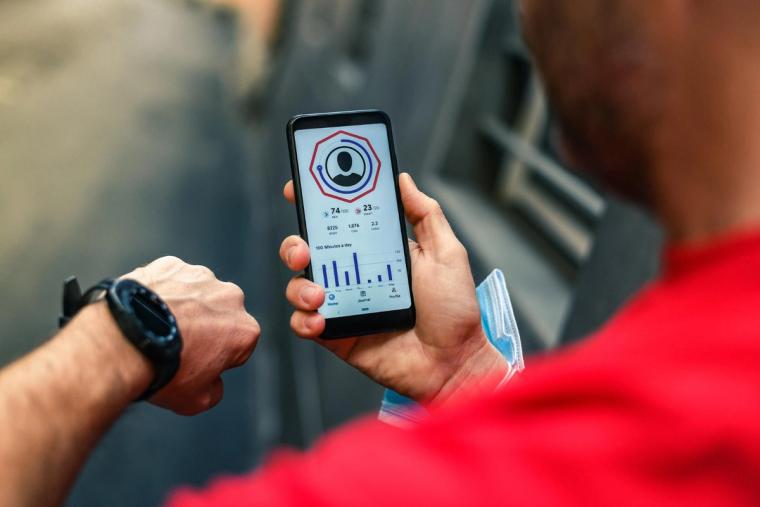
Your weekly cardio challenge can fit a busy schedule when the goal is realistic, the minutes are spread across the week, and you have a backup plan for hectic days. You do not need one long workout to build a steady routine.
At steps.org, we make it easier to focus on one simple target: your activity minutes for the week. Walks, rides, runs, gym sessions, and other recorded activities can add up, even when your calendar feels full.
Make Cardio Work Around a Full Calendar
Even a full schedule does not leave much room for perfect plans. That is why we suggest treating movement as a series of smaller chances, not one big block that has to happen on Saturday morning.
Just a 15-minute walk between meetings still counts. So does a quick ride before errands or a short run after work. When those minutes build across several days, a weekly cardio challenge starts to feel far more doable.
With steps.org, you connect Strava and choose a personal activity-minute target from 60 to 300 minutes per week. If you are unsure where to begin, our default 90-minute goal is a good place to start. It gives you room to move without making every day feel packed.
Choose a Goal You Can Keep
The best goal usually starts with what you already do. If you walk a few times a week, ride your bike, run, or play another recorded sport, those activities can be part of your plan. There is no need to create a whole new life around your challenge.
We recommend choosing a target that can survive your busiest normal week, including work deadlines, school drop-offs, travel, and weekend plans. Leave some space for the days that do not go as planned.
Keep these questions in mind before choosing your minutes:
- What activity do you already enjoy doing?
- How much time can you usually protect in a busy week?
- Which days tend to get crowded first?
- What shorter activity could work if a longer session falls through?
Your first week with us is a warm-up. After that, the game tracks whether you meet your weekly goal. Any sport can count when your watch, bike computer, or phone records it with heart rate or GPS.
Spread Your Minutes Across the Week
Breaking a weekly target into small pieces makes it easier. For example, a 90-minute goal could look very different from one person to the next:
- Three 30-minute sessions
- Six 15-minute walks
- One longer weekend ride plus two short walks
- A mix of an active commute, a gym session, and a run
Put a few movement windows on your calendar before everything else claims the time. A walk after lunch, a ride before errands, or a run after work can become a regular cue. The activity does not need to be fancy. It just needs to fit where it already makes sense.
Busy days still happen, of course. When a planned workout disappears, use the backup option rather than giving up on the week. A shorter walk, an indoor ride, a treadmill session, or an active commute can help keep your weekly cardio challenge moving.
Use Fall as a Fresh Start
Late October can be a useful reset point. Cooler air often makes walking, running, and cycling feel more comfortable. At the same time, earlier sunsets can make it harder to squeeze in outdoor activity after work.
Some planning helps us keep the routine simple. Set out reflective gear, check the weather, choose routes you know well, and keep an indoor option ready for rainy or dark evenings. If mornings are brighter than evenings, move one or two sessions earlier in the day.
Starting a steady pattern now can also help when November and December become crowded. You do not need a perfect streak. A few planned activity windows each week can protect some time for movement when everything else starts competing for it.
Let Simple Stakes Keep the Habit Visible
steps.org is a game built around your weekly goal. Your price starts at $0. If you miss a weekly goal, it goes up by $5. If you hit your goal, it comes down by $2.50. At standard stakes, your price never goes above $25.
The point is simple: the changing price gives you a reason to notice your goal before the week ends. Nobody wins money. We are giving your plan a small, visible stake so it is less likely to get lost under emails, chores, and last-minute plans.
Thirty percent of payments, after VAT and card fees, supports permanent carbon removal through Stripe Climate. The rest keeps steps.org running. You can also use the game without installing an app, since it works as a website connected to Strava.
Set Your First Week in Motion
Start modestly. Choose a weekly goal that fits your real responsibilities, divide it into smaller sessions, and put a few activity windows on the calendar. Keep one backup option ready for the day that changes without warning.
This kind of weekly cardio challenge works best when it feels like part of your week instead of one more thing competing for attention. Small sessions still count, and a flexible plan gives you room to keep going.
Ready to set your weekly goal? Get started with steps.org.
Make Your Weekly Goal More Motivating
Start a weekly cardio challenge with a goal that fits your current routine. At steps.org, you choose your weekly activity minutes and let your price reflect how the week goes. Any recorded sport can count, so you can keep your challenge flexible. If you have questions, contact us.