Signs Your Fitness Habit Tracker Is Creating Extra Work
A fitness habit tracker should support your routine. Learn the signs it is adding tasks, stress, and friction to your weekly movement goals today.
By Tiago Martins5 min read
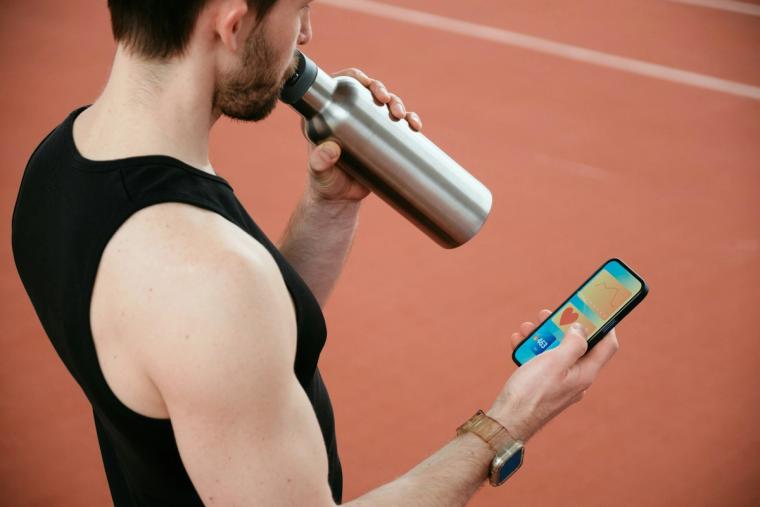
A fitness habit tracker is creating extra work when you spend more time logging, checking, correcting, and interpreting activity than actually moving. A useful system should make the next choice feel clear, especially when your schedule is full.
Late October can test any routine. Days get shorter, weather changes, travel picks up, and holiday plans start filling the calendar. If your tracker adds stress during a busy week, a simpler setup may be the answer. That does not mean you need more discipline. It may simply mean your system asks too much of you.
Your Fitness Habit Tracker Should Make Movement Easier
We think a fitness habit tracker should answer one simple question: what should you do next? It should help you see your goal, see your progress, and choose an activity that fits the time you have.
When a tracker turns every walk, ride, run, or workout into a string of tiny tasks, it pulls attention away from the habit you are trying to build. Movement should feel like movement. It should not feel like filling out a report.
A quick check can tell you a lot. In under a minute, can you answer these questions?
- What is my weekly goal?
- How much have I done so far?
- What can I do next to make progress?
If you need several screens, a calculator, or a long list of charts to find the answer, your setup may be doing too much.
When a Fitness Habit Tracker Adds Friction
Too many inputs can turn a simple habit into a daily task list. We often see friction show up when someone has to enter workouts by hand, choose from a huge activity menu, fix duplicate records, or force every session into a narrow category.
That kind of admin can make a person put off recording activity, then feel behind later in the week. Soon, the tracker becomes another unfinished chore sitting in the back of your mind.
Frequent checking can create a different kind of pressure. A tracker may show streaks, recovery numbers, scores, reminders, charts, and other details before you have even decided whether to take a walk. Information has a job only when it helps you make a clear decision.
Try paying attention to how you feel before opening your tracker. If you feel curious and clear, it may be helping. If you feel tense, confused, or as if you need to study your dashboard before moving, we would simplify what you see.
Too Much Data Can Hide the Next Step
Daily numbers can be interesting. Still, you do not need every possible metric to keep a regular movement habit. The most useful signal is usually the one that tells you what to do today or this week.
Changing targets can also make progress feel slippery. When goals shift all the time, or several scores compete for your attention, it becomes hard to know what a successful week even looks like. We recommend choosing one main activity target before adding any extra data.
A weekly view often gives you more breathing room than a long list of daily requirements. It can work with a missed weekday, a longer weekend hike, a late work night, or a packed family schedule.
Consider keeping your main goal visible and moving extra metrics out of sight unless they serve a real purpose. Your screen can be simple:
• One weekly activity goal
• One progress total
• One clear amount left to do
• Optional details only when you want them
The goal is not to collect the most information. The goal is to make it easier to choose your next bit of movement.
A Fitness Habit Tracker Should Fit Real Weeks
Rigid daily streaks can make one missed workout feel much bigger than it is. Life moves around. Work runs late. Rain shows up. Family plans change. During the holiday season, routines can look different from one week to the next.
A weekly goal gives you room to adjust. You can move on a few short days, do more on the weekend, or fit in activity whenever time opens up. The week still has a shape, but it also has flexibility.
Your activity definition matters, too. Some people enjoy walking. Others prefer running, cycling, hiking, sports, or time at the gym. A tracker becomes harder to live with when it only rewards one narrow idea of exercise.
At steps.org, we built our weekly game around activity minutes. You connect Strava, choose a weekly goal from 60 to 300 minutes, and 90 minutes is the default. Any sport can count when a watch, bike computer, or phone records it with heart rate or GPS.
That leaves room for the activities you already like. The point is to keep moving in ways that fit your real life.
Manual Catch-up Turns Movement Into Admin
Delayed logging is a common warning sign. If you have to remember what you did, estimate how long it took, add a route, or recreate missed workouts at the end of the week, your tracker has created extra work.
Automatic activity records can remove much of that burden. Connecting to a service you already use means progress can update without repeated entry. Then your attention can stay on whether you moved, instead of how long you spent documenting it.
Our game connects with Strava and tracks progress toward your chosen weekly activity-minute goal. The first week is a warm-up. After that, missing a week raises your price by $5, while hitting your goal lowers it by $2.50. Your price starts at $0 and stays at or below $25 on the standard stakes setting.
Those rules give you a clear reason to check in without turning checking in into a full-time task. You can see where you stand, choose an activity, and get on with your day.
Choose a Game You Can Keep Playing
A good tracker makes the next workout easier to choose. It gives you a clear goal, works around real-life changes, and avoids adding tasks that have little to do with moving. At steps.org, the game runs on our website, with no app to install, and activity comes through Strava. We bill once a month by the day.
Thirty percent of what you pay, after VAT and card fees, goes to permanent carbon removal through Stripe Climate. The rest helps run steps.org. Nobody wins money. The game gives you a personal reason to keep your weekly habit going.
The simplest system is often the one you can return to after a busy day, a missed workout, or a changed plan. Pick a goal you understand, keep your progress easy to see, and give yourself enough room to move through the week your way.
Make Your Weekly Movement Easier to Keep
Our fitness habit tracker keeps the focus on recorded activity minutes and one weekly goal. Connect Strava, choose a target that fits your life, and let the game handle the rest. At steps.org, your price can start at $0 and changes based on each week you complete. Get started when you’re ready.